Post-Surgery Rehabilitation in Kuwait: Prehab, Recovery, and What Actually Works
Surgery is not the end of your treatment — it is the start. The decisions you make in the four weeks before your operation and the twelve weeks after will determine more about your final outcome than the surgery itself.
This guide explains what evidence-based post-surgery rehabilitation looks like in 2026, when prehabilitation matters, what the major orthopedic and spine surgical recovery timelines look like, and how to choose a rehab program in Kuwait. ARGAN Riaya runs a structured pre- and post-surgical rehabilitation pathway in Salmiya, with on-site physiotherapy, hydrotherapy, lymphatic drainage, robotic gait training, and orthopedic and rehabilitation physician supervision.
Prehab: the four weeks before surgery
Prehabilitation — structured exercise and education before a planned surgery — is one of the most under-used opportunities in the surgical pathway. The international evidence over the last decade has been consistent: patients who enter surgery stronger, fitter, and better-prepared have shorter hospital stays, lower complication rates, less post-operative pain, and faster return to function.
A prehab program at ARGAN Riaya typically includes:
- Cardiovascular conditioning — even modest improvements in fitness reduce post-op complications
- Strengthening of the muscle groups around the joint or region being operated on
- Range-of-motion preservation — surgery on a stiff joint produces a stiff joint after
- Pain education and expectation-setting — what surgery actually feels like, day by day
- Walking aid and home equipment training
- Smoking cessation support, weight management discussion, and nutrition optimization
Prehab is most strongly evidenced for total knee replacement, total hip replacement, ACL reconstruction, spinal fusion, and major abdominal and cardiac surgeries. Two to four weeks is typically enough to make a measurable difference.
The first 72 hours after surgery: why early mobilization matters
The longer a post-surgical patient stays still, the worse their outcome. Modern enhanced-recovery-after-surgery (ERAS) protocols emphasise early mobilization — ideally within 24 hours of an orthopedic procedure — combined with multimodal pain control and early oral intake. The benefits are well-documented: lower rates of deep vein thrombosis, pneumonia, urinary retention, and post-operative cognitive dysfunction in older patients.
ARGAN Riaya patients who have surgery elsewhere can transfer to our inpatient rehabilitation program for the early recovery window — typically days 3 to 21 — for daily multi-disciplinary therapy.
The major orthopedic and spine surgery recovery timelines
Total knee replacement (TKR / TKA)
Most patients are walking with assistance the day of surgery and discharged home or to inpatient rehab within 2 to 4 days. The first 6 weeks focus on regaining range of motion (target: 0° extension, 90°+ flexion by week 6), reducing swelling, and rebuilding quadriceps strength. Hydrotherapy is particularly effective in this window because the buoyancy lets patients begin walking and squatting earlier than on land. Most patients return to driving by week 6 and to non-impact sport by month 4 to 6.
Total hip replacement (THR / THA)
Recovery is typically faster than knee replacement. Most patients walk independently by week 2 to 3 and return to driving and most daily activities by week 6. Specific movement precautions apply (depending on surgical approach) for the first 6 to 12 weeks to protect the joint.
ACL reconstruction
Knee ACL reconstruction has one of the most evidence-based rehabilitation pathways in orthopedics. The protocol progresses through specific phases: protect the graft (weeks 0–6), regain motion and quad activation (weeks 6–12), strengthen and progress neuromuscular control (months 3–6), running and cutting progression (months 6–9), and return-to-sport testing (months 9–12). Returning to pivoting sport too early is one of the major causes of re-rupture.
Rotator cuff repair
The most position-sensitive shoulder rehabilitation protocol. The shoulder is typically immobilised in a sling for 4 to 6 weeks, with passive movement only. Active movement begins at 6 weeks, strengthening at 12 weeks, and full sport at 4 to 6 months. Compliance with the early-restriction phase is essential — pushing too early causes re-tears.
Spinal fusion and decompression
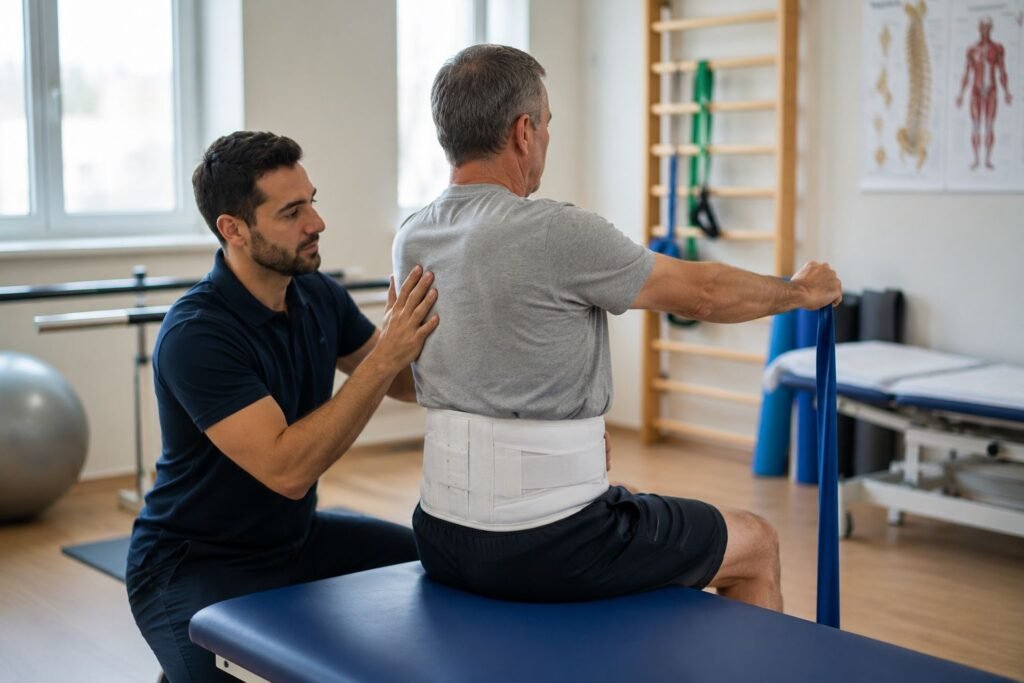
Walking begins on day 1. Bending, twisting, and lifting are restricted for the first 6 to 12 weeks depending on procedure. Core stabilisation, posture, and graded return to function dominate the rehab program. Most patients return to sedentary work by 4 to 6 weeks and physical work by 3 to 6 months.
Cardiac surgery (CABG, valve replacement)
Cardiac rehabilitation is a structured 6 to 12 week program of monitored exercise, education, and risk-factor management. The international evidence shows it reduces 5-year mortality. ARGAN Riaya’s cardiopulmonary rehabilitation program is designed for this population.
What a comprehensive post-surgical rehab program includes
- Daily physiotherapy with a defined progression of exercises matched to the surgical procedure
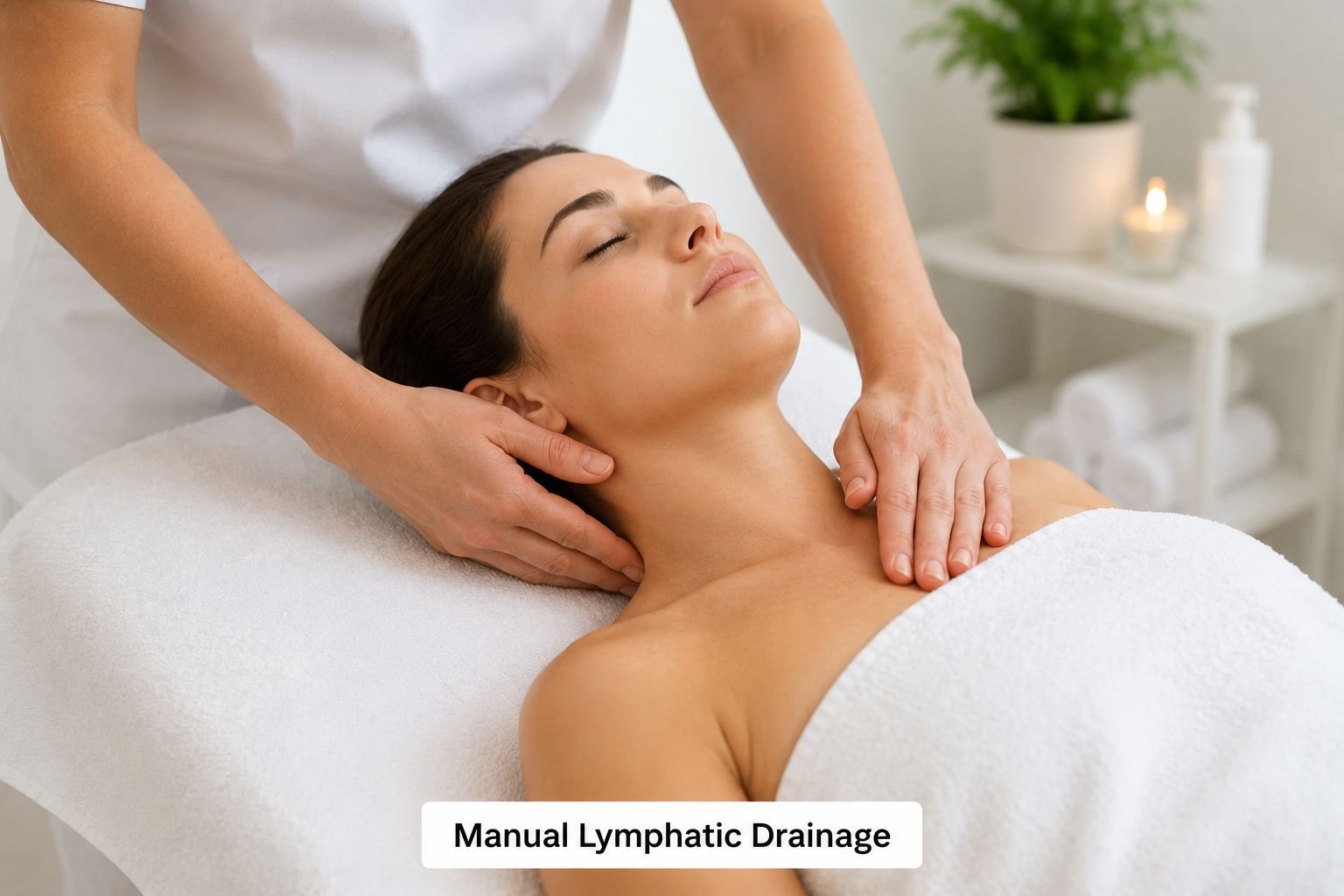
- Manual lymphatic drainage to control post-operative swelling and accelerate recovery
- Hydrotherapy for low-impact, early-stage walking, balance, and motion practice
- Pain management — multimodal, including non-medication strategies
- Occupational therapy for activities of daily living
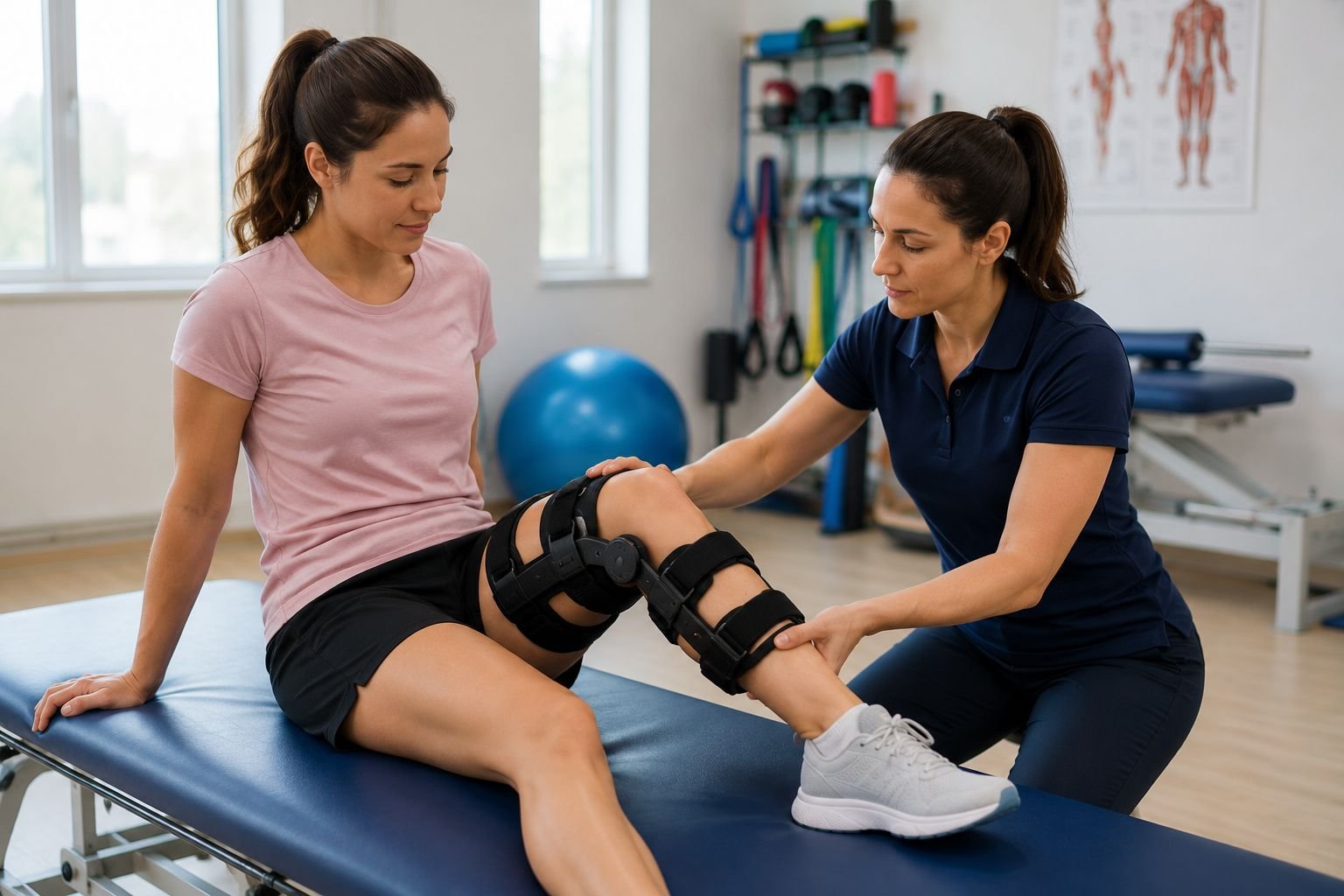
- Orthotics — bracing, splinting, ankle-foot orthoses where indicated
- Functional milestone tracking with re-measurement every 2 to 4 weeks
- Pre-discharge home program and family education
- Return-to-work and return-to-sport assessment when relevant
How long will I need rehabilitation?
It depends on the procedure, your starting fitness, your goals, and your insurance coverage. As a guide:
- Minor arthroscopic surgery: 4 to 6 weeks of outpatient PT
- Knee or hip replacement: 6 to 12 weeks of structured rehab
- ACL reconstruction: 9 to 12 months of progressive rehab
- Spinal fusion: 3 to 6 months
- Rotator cuff: 4 to 6 months
- Cardiac rehabilitation: 6 to 12 weeks, then a maintenance program
Choosing a post-surgery rehab program in Kuwait
Questions to ask any rehab provider:
- Do you have a written, procedure-specific protocol for my surgery?
- Will my surgeon receive progress reports during my rehabilitation?
- Is hydrotherapy available on-site?
- Is there a rehabilitation physician on-site?
- How are functional outcomes measured?
- What does the home program look like?
ARGAN Riaya is structured to answer ‘yes’ to each of these. The hospital combines orthopedic and rehab physician supervision, on-site physiotherapy, the largest hydrotherapy facility in the region (8 pools), Kuwait’s only Lokomat for neurological gait recovery, and on-site orthotics, lymphatic drainage, and pain management.
Planning surgery in Kuwait?
ARGAN Riaya designs and delivers individualised pre- and post-surgical rehabilitation programs. We coordinate with surgeons across Kuwait. Call our Salmiya hospital to schedule a prehab assessment or post-op transfer.Frequently asked questions about post-surgery rehabilitation in Kuwait
How soon after surgery should rehab start?
Within 24 hours for most orthopedic procedures, as soon as the patient is medically stable. For complex spine or cardiac procedures the timing depends on the surgical team. Earlier is almost always better, in the dose appropriate to the procedure.
Does insurance in Kuwait cover post-surgical rehabilitation?
Most major insurance plans operating in Kuwait cover medically necessary post-surgical rehabilitation, including inpatient rehab for joint replacement, ACL reconstruction, spine surgery, and cardiac surgery. Coverage details vary — we verify before treatment begins.
Can I do rehab at a clinic instead of at a hospital?
For straightforward outpatient cases (e.g. arthroscopic meniscus surgery), a clinic is fine. For major joint replacements, ACL reconstruction, spine surgery, and cardiac surgery, a multi-disciplinary hospital-based program produces better outcomes — particularly for the first 6 to 12 weeks. Hydrotherapy and physician supervision are not available in most stand-alone clinics.
My surgery is in another country. Can I do my rehab at ARGAN Riaya?
Yes — and this is increasingly common. We coordinate with overseas surgical teams, request operative reports, and design a program that matches the surgeon’s protocol. Many of our patients have surgery in Germany, the UK, the US, or India and complete their recovery in Kuwait.
Do I need a referral from my surgeon?
Insurance providers usually require a surgeon’s referral for coverage. For self-pay patients, we can begin without a referral but we will request the operative report so we can build the right protocol.
Will I need a brace, splint, or assistive device?
Often yes, especially after ligament surgery, rotator cuff repair, or spine surgery. Our orthotics department fabricates and fits braces and splints on-site, which avoids the delay of an off-site referral.
Why is hydrotherapy so common in post-surgical rehab?
Buoyancy reduces the effective weight on a healing joint, so patients can practise walking, squatting, and balance earlier than on land. Hydrostatic pressure reduces swelling, and warm water reduces pain and stiffness. ARGAN Riaya operates 8 pools — the largest hydrotherapy facility in the region.
Will I be the same as before surgery?
The honest answer: it depends on the procedure, your starting condition, and the rehabilitation work you put in. Most patients with a well-executed surgery and a structured rehab program return to or exceed their pre-injury function. We provide a candid functional prognosis after the initial assessment.